
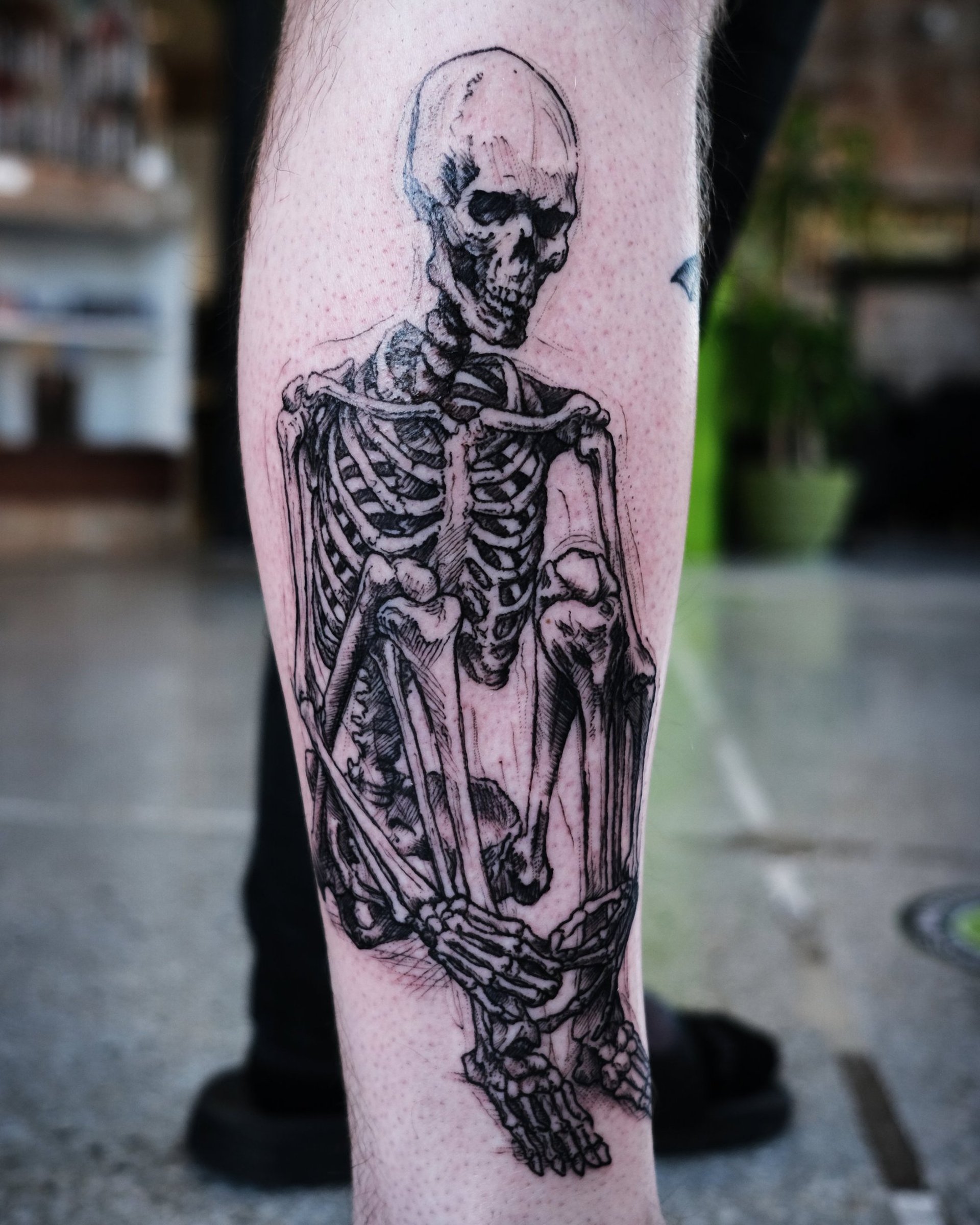
How Tattoos Age
Every tattoo changes over time.
After 25 years of tattooing, this is one of the things I think about most — and one of the things almost nobody talks about before you're sitting in the chair.
Understanding how ink behaves in skin over the years is a big part of why I design tattoos the way I do.
I'd rather give you something that looks great now AND in 20 years than something that only looks good on Instagram the day it's done.
Why I bring this up
I'm not trying to scare anyone out of getting a tattoo. I'm trying to make sure you get a tattoo you'll still love in 10, 20, 30 years. That means sometimes I'll suggest going bigger than you originally planned, simplifying a detail, or adjusting spacing. It's not a critique of your idea — it's me using 25 years of experience to make sure the final result holds up.
When I design a piece, I'm thinking about how it looks on day one AND how it'll look after years of living in your skin. That long-term thinking is baked into everything I do.

What happens to ink in skin
Tattoo ink sits in the dermis — the second layer of skin. Over time, your body's immune system slowly breaks down the ink particles, and the remaining pigment spreads slightly. This is a natural process that happens to every tattoo, no matter how well it was done.
Sun exposure accelerates this significantly. UV light breaks down ink pigment faster and unevenly, which is why tattoos that get a lot of sun tend to fade and blur more quickly.
The result: lines soften, details lose definition, shading lightens, and areas that were close together can blend into each other.
Fine details and tight spacing are the first things to go.
Why size and spacing matter
This is the big one. If a design is too small, has details packed too tightly, or doesn't have enough open skin between elements, those lines could eventually merge together and become unreadable.
This is why experienced artists will sometimes push back on a size request. It's not that we can't do it small — it's that we know what it'll look like in 5 or 10 years, and we'd rather steer you toward something that holds up. We probably have a lot of this type of work on us to show you.
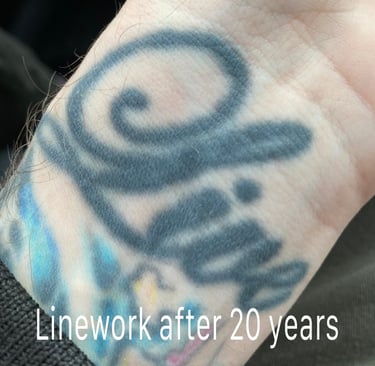
The "Live" tattoo (first image) on my own wrist is a good example. I wanted it smaller than the artist was willing to do. He talked me into going bigger because he knew about these problems. I'm glad he did — even at the size he chose, you can see areas starting to spread and fuse together years later.


What helps a tattoo age well
There's no way to completely prevent aging, but good design choices make an enormous difference:
Appropriate sizing. The design needs to be large enough for the level of detail. A full scene with tiny figures works on a thigh; it doesn't work on a wrist. I'll always be honest with you about what size a design needs to be.
Breathing room. Open skin between lines and elements gives the ink space to spread without everything merging together. This is one reason I love the engraving/woodcut style — the natural variation in line weight and the built-in spacing of cross-hatching tend to age well.
Line weight that fits the scale. Thicker lines hold up more densely than very fine ones, but can also spread more. The right answer depends on the size and style of the piece. A mix of line weights — which is natural in engraving-style work — tends to be more readable than a design that's all one thickness.
Placement matters. Areas with more sun exposure can fade faster. And skin texture changes all around the body. Areas with a lot of movement or friction (fingers, feet, inner and outer elbows) tend to fade and blur more quickly. Areas with thicker, more stable skin (upper arm, thigh, calf) generally hold tattoos the best.
Sunscreen. Once your tattoo is healed, sunscreen is the single best thing you can do to keep it looking sharp.


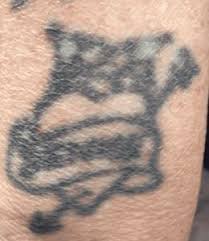
You can see how this award winning tattoo has lost much of the color and definition